
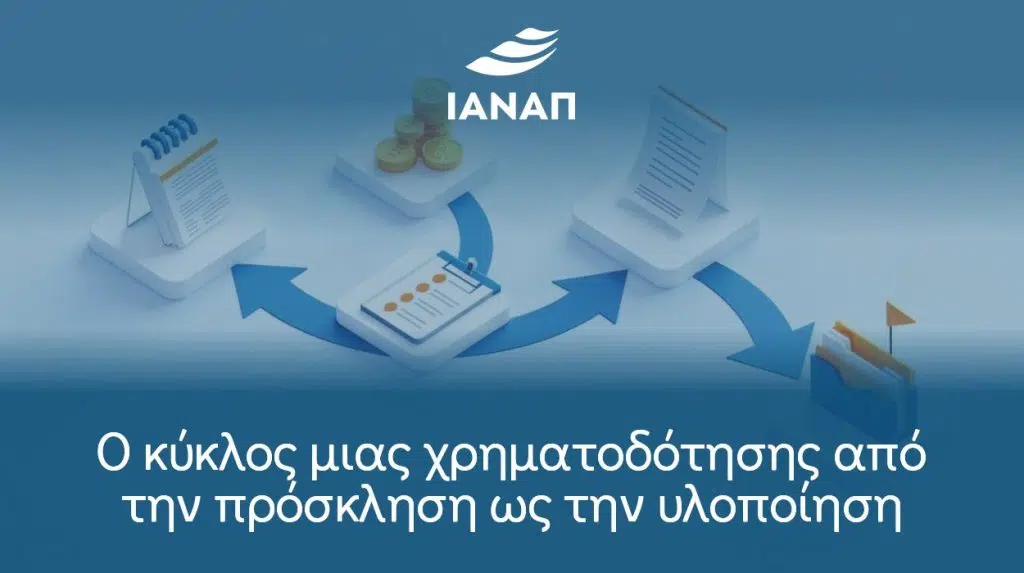
Most people start dealing with a funding program when the application platform opens. By then, however, half the work is already lost: taking part in a funding program does not start with filling in an application but with a proper assessment of the call.
The cycle has three stages, and each one requires different knowledge. See what is decided at each stage.
What should you check before you even consider applying?
The structure of the call and eligibility: whether the business, the project and the expenses you are planning are actually covered by the specific program.
The seminar on how to assess a funding call covers the initial assessment of an investment proposal and the preparation of the application file. It is aimed at entrepreneurs, managers of small and medium-sized enterprises and employees in finance, accounting or administrative departments.
How does an idea become an investment plan?
There is a gap between a general business idea and a fundable plan, and that gap is what gets proposals rejected.
The program from business idea to investment plan introduces the principles for assessing a plan’s maturity and preparing its financing, so that the result is a complete, well-documented business plan.
What changes after approval?
This is where the most costly mistake is made. Approval is the beginning, not the end: it is followed by obligations to organize, monitor and document the project which, if not met, put the funding at risk.
The seminar from approval to implementation turns these requirements into a workable monitoring system.
What about European programs?
They are a separate specialization. The European Programmes Executive program is delivered through live online training, lasts 30 hours and prepares participants to write funding applications and manage European funding instruments.
For the education and youth sector in particular, there is a workshop on designing and writing Erasmus+ KA1 and KA2 proposals.
Do you need to be an accountant?
No. The programs are aimed at new and established entrepreneurs, owners and managers of small and medium-sized enterprises, freelancers and employees in administrative or finance departments.
The point is not accounting expertise but knowing what each stage requires before you reach it.
Frequently asked questions
What should I check before applying for funding?
The structure of the call and eligibility: whether the business, the project and the expenses you are planning are covered by the specific program. Taking part does not start with filling in the application but with a proper assessment of the call.
How does an idea become a fundable plan?
By assessing the maturity of the investment plan and preparing its financing, so that the result is a complete, realistic and well-documented business plan.
What obligations are there after approval?
Organizing, systematically monitoring and documenting implementation. Approval is only the beginning of the process, and successful completion requires a clear monitoring system.
How long is the European Programmes Executive program?
30 hours of live online training. It prepares participants to write funding applications and manage European funding instruments.
Do I need accounting expertise?
No. The programs are aimed at new and established entrepreneurs, owners and managers of small and medium-sized enterprises, freelancers and employees in administrative or finance departments.