Training with a Focus on Practical Application
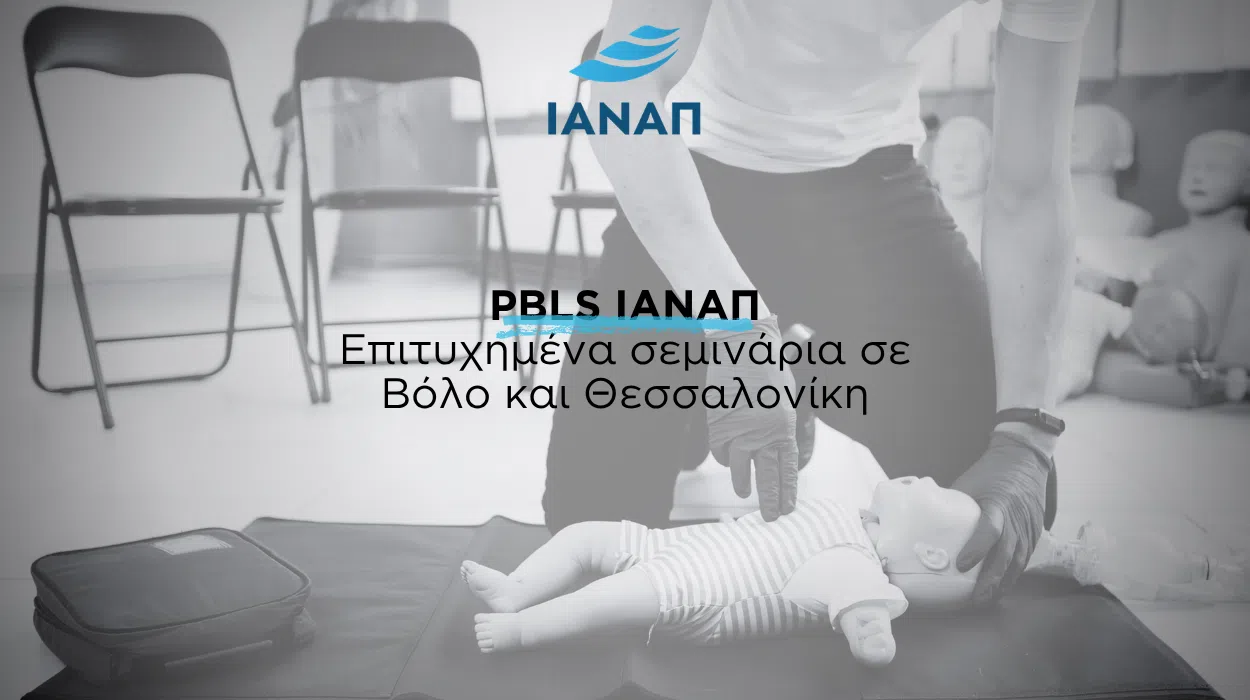
During the two seminars, participants were trained at both a theoretical and a practical level, following current international guidelines for Basic Life Support in infants and children.
Particular emphasis was placed on recognizing an emergency, approaching the situation safely, activating the emergency response system promptly, and performing Cardiopulmonary Resuscitation (CPR) according to the child’s age.
Participants were also trained in managing foreign body airway obstruction, one of the most common causes of emergencies in young children, as well as in the correct use of an Automated External Defibrillator where indicated.
The training used modern training equipment and special manikins, allowing participants to put what they learned into practice through realistic scenarios.
Knowledge That Concerns Everyone
First aid knowledge is not only for health professionals. On the contrary, it concerns everyone who might face an emergency.
The PBLS program is aimed at parents, parents-to-be, teachers, nursery staff, babysitters, coaches, childcare workers and anyone who wants to be prepared to help when needed.
Proper training turns fear and uncertainty into knowledge, composure and responsible action. The skills gained through PBLS can be used in real situations until emergency pre-hospital care services arrive.
IANAP Continues to Invest in Lifesaving Training
As a certified center of the European Resuscitation Council (ERC) in Greece, IANAP continues to invest in spreading first aid knowledge, delivering high-quality training programs across the country.
The successful running of the two parallel seminars in Volos and Thessaloniki is further proof of IANAP’s ongoing effort to offer training with a real social impact. Every newly trained person is one more person who can help protect a human life effectively until specialized help arrives.
First aid is not just extra knowledge. It is a life skill that builds responsibility, preparedness and confidence in situations that call for an immediate and correct response.
IANAP thanks all participants for their trust and congratulates everyone who successfully completed the PBLS program. With consistency and a commitment to quality training, it continues to organize certified first aid seminars throughout Greece, helping to build a society with more informed and trained people, ready to help when every second counts.